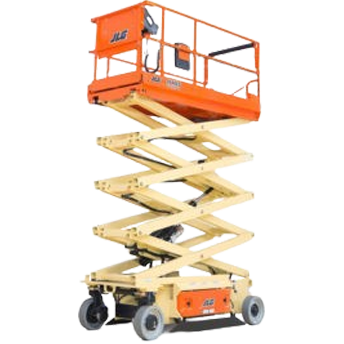
Introduction to Scissor Lifts
Scissor lifts are a type of aerial work platform that are commonly used in construction, maintenance, and other industries where workers need to access high areas. They are called “scissor” lifts because of their unique design, which features a series of linked bars that resemble scissors. In this article, we will provide a step-by-step guide on how to operate a scissor lift safely and effectively.
Pre-Operation Checklist
Before you start operating a scissor lift, it’s essential to conduct a thorough pre-operation checklist. This include check the machine’s tire pressure, oil and fluid levels, and hydraulic system. You should also inspect the lift’s platform, guardrails, and controls for any damage or wear. Me and my team always make sure to follow this checklist to ensure a safe and smooth operation.
Operating the Scissor Lift
Once you’ve completed the pre-operation checklist, you can start operating the scissor lift. First, make sure you are wearing the proper personal protective equipment (PPE), including a hard hat, safety glasses, and a harness. Next, familiarize yourself with the lift’s controls, which typically include a joystick or lever that controls the lift’s movement. To move the lift, simply push the joystick in the direction you want to go – it’s as easy as driving a car, you know! As you operate the lift, always be aware of your surroundings and keep an eye out for potential hazards, such as overhead obstacles or uneven terrain.
Troubleshooting Common Issues
Despite proper maintenance and operation, scissor lifts can still experience mechanical issues. If you encounter a problem, don’t panic – just follow the manufacturer’s troubleshooting guide or contact a qualified technician for assistance. For example, if the lift’s hydraulic system is not functioning properly, you may need to check the fluid levels or replace a faulty valve. Whatever the issue, it’s essential to address it promptly to ensure the safety of yourself and others.
In conclusion, operating a scissor lift requires attention to detail, a thorough understanding of the machine’s mechanics, and a commitment to safety. By following the guidelines outlined in this article, you’ll be well on your way to becoming a proficient scissor lift operator. So, the next time you’re on the job site, remember to take your time, stay focused, and always prioritize safety – it’s a matter of life and death, you feel me?
Final Thoughts
In addition to the tips and guidelines provided in this article, it’s also important to stay up-to-date with the latest industry developments and best practices. This can include attending training sessions, reading industry publications, and participating in online forums. By staying informed and continually improving your skills, you’ll be able to operate a scissor lift with confidence and precision.